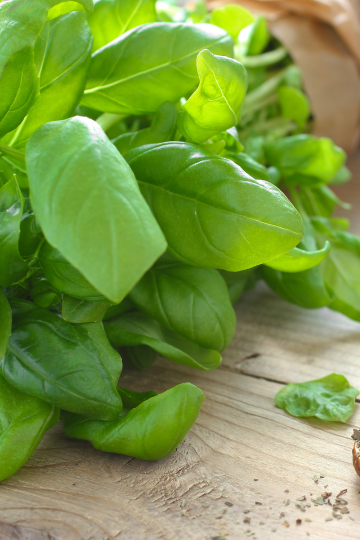

Growing catnip (Nepeta cataria), a perennial plant, from seed is pretty straightforward, and it can be a huge benefit to your garden, even if you don't have a green thumb. It's perfect for any herb garden or vegetable garden and has plenty of benefits and uses.
Here's a helpful step-by-step guide to help you get started!

Benefits of Growing Catnip
Here are three commonly benefits of growing catnip in the garden:
- Attracts Pollinators: Catnip produces small, tubular flowers that attract bees, butterflies, and other beneficial insects, helping support overall pollination in your garden. Once the plants begin producing seeds at the end of the season, different varieties of birds may come to feast as well.
- Natural Pest Deterrent: Catnip contains nepetalactone, a compound that repels certain pests like aphids, squash bugs, and even mosquitoes. Planting it near vegetables or entryways can contribute to integrated pest management. See my full post on Natural Pest Control and how you can get started in your home garden.
- Useful for Pets and People
- For Cats: Fresh or dried catnip can be used as an enrichment treat for cats, providing mental stimulation and enjoyment.
- For People: Catnip leaves can be harvested and used for herbal teas, which are sometimes used for their calming or digestive properties as well as other medicinal properties.
This post may contain affiliate links, which simply means I may earn a commission off of links at no extra cost to you. Thank you for supporting my site!
What You'll Need to Grow Catnip
Not sure where to begin with growing catnip? Catnip can easily be grown from seed or by using a small plant or seedling. As with all types of plant, be sure to start with good quality seeds or seedlings, checking roots to make sure there is no sign of root rot. Here's what you'll need to start growing catnip at home!
- Catnip seeds (Try these organic catnip seeds from True Leaf Market!)
- Seed-starting soil or light potting mix (I personally love Espoma's Organic Potting Mix for all my container gardening.)
- Seed trays or small pots
- A sunny windowsill or grow light (if growing indoors)
- Water spray bottle or gentle watering method
Now that you have all of your supplies together, let's talk about where to grow catnip and the best time to get started.
Where to Grow Catnip
Not sure where to grow catnip plants? It's always a good idea to consider where you'll grow any type of plant. We want to put the right plant in the right place for optimal growth.
Here are suggestions for growing this perennial herb both indoors and outdoors:
Outdoors:
- Light: Direct light and full sun (6+ hours/day) is best, though it can tolerate partial shade.
- Soil: Well-drained soil is a must as well as soil that is moderately rich. Catnip usually doesn’t need heavy fertilization.
- Location Tips:
- Near borders or in herb gardens. It can also do well along the edges of vegetable gardens as well as in raised garden beds.
- In containers to control its spread (it can grow aggressively in some climates and zones. Check your growing zone using the USDA chart here).
- Away from delicate plants, especially if you have cats who are likely to roll around near the catnip. (Hint: you don't have to have cats to grow and benefit from catnip!)

Indoors:
- A sunny windowsill or under a grow light. A south facing window should get the most light unless trees are shading this part of your home.
- Use a container with good drainage. This means a pot with drainage holes in the bottom and a dish to hold excess water until it has been absorbed.
When to Grow Catnip
From Seed Indoors:
- Start seeds 6–8 weeks before the last expected frost date in your region.
Transplant or Direct Sow Outdoors:
- After the last frost date, when the soil has warmed and night temps are consistently above 50°F (10°C).
- In most temperate climates, this is early spring, but it can vary depending on your location. See the note above about checking your climate zone for those living in the United States. It's so helpful to know!
How to Grow Catnip Step-by-Step
Once you know where are when to plant your catnip, you're ready to get started. For both an outdoor and indoor catnip plant, the instructions are similar. Note the differences between growing catnip from seed and using an already established catnip plant.
- Stratify and Soak the Seeds (Optional):
Place seeds in the freezer overnight, then soak seeds in water for 12–24 hours before planting to soften the seed coat and improve germination. - Prepare the Soil:
Fill trays or pots with a well-draining seed-starting mix. Moisten the soil slightly before planting. A spray bottle is perfect for this step. - Plant the Seeds:
Sow seeds about ⅛ inch (3 mm) deep; be careful not to plant them too deeply. Lightly cover with soil or vermiculite. - Provide Light & Warmth:
Place the containers in a warm area (ideally 65–70°F / 18–21°C). Use a grow light or place them in a sunny window or use a cold frame outdoors — catnip needs at least 6 hours of light a day. - Keep Soil Moist (Not Wet):
Mist with water or use a gentle watering method to keep the soil consistently moist but not soggy.
Seeds typically sprout in 7–14 days, so if your seeds haven't germinated in a week, try to wait just a bit longer before thinking you've gotten dud seeds. Sometimes nature works at its own pace.
Once seeds have germinated, or you've purchased young plants from a local nursery, you'll be able to transplant them. Here are the step for transplanting catnip:
- Once seedlings are a few inches tall and have a couple of true leaves, transplant them into larger pots or outdoors. (This should be done after the last frost).
- For planting outdoors, choose a sunny spot with well-draining soil. Space plants about 18–24 inches apart. Water in well.
- For indoor planting, repot transplants into an appropriate sized container, keeping the soil surface moist with a spray bottle.
4 Helpful Tips for Catnip Success:
- Catnip can spread easily through reseeding, so consider cutting the whole plant to the ground after blooming. There are different cultivars of catnip, and some do indeed spread by underground runner or rhizomes, so be sure to check the variety you're growing. Catnip is typically not viewed as an invasive plant.
- For best results, prune regularly to encourage bushier growth and less of a weedy look.
- As with many herbs, it's best to harvest leaves before the plant flowers for best potency.
- Be on the lookout for powdery mildew and avoid this garden mishap by making sure your catnip has plenty of airflow, especially in hot climate of summer.
Why do Cats like Catnip?
Are you curious why your domestic cats may like catnip? There are a few reasons, but the main reason is the nepetalactone I mentioned earlier. While this can deter garden pests, it actually attracts cats. It can cause various behavioral changes in cats. PetMD has a wonderful article on exactly how catnip affects cats, so check it out to learn more.
Any cat lover can certainly try growing catnip indoors or out and see how their pet responds to it. If cat owners are looking for more ways to spoil their feline companions, check out Cats and Coffees post full of pretty cat furniture because who wouldn't want some cute cat furnishings?
If you're interested in growing catnip or starting a full vegetable garden this year, be sure to check out my FREE 5-day email course complete with step-by-step videos for how you can start an herb or vegetable garden right now! Don't put off starting until the next growing season. No matter the time of year you can start a garden bed or container garden right now. Check it out!