In some ecosystems, caterpillars can be beneficial insects - feeding birds, transforming into beautiful pollinators, and breaking down organic matter. But for many gardeners, the voracious appetite of a caterpillar can cause considerable damage! Fortunately, if you're struggling with these garden pests, there are a lot of options for natural caterpillar control methods that can limit caterpillar damage in your garden without harming your plants. Hare are 10 ways to get rid of caterpillars in the garden - naturally!
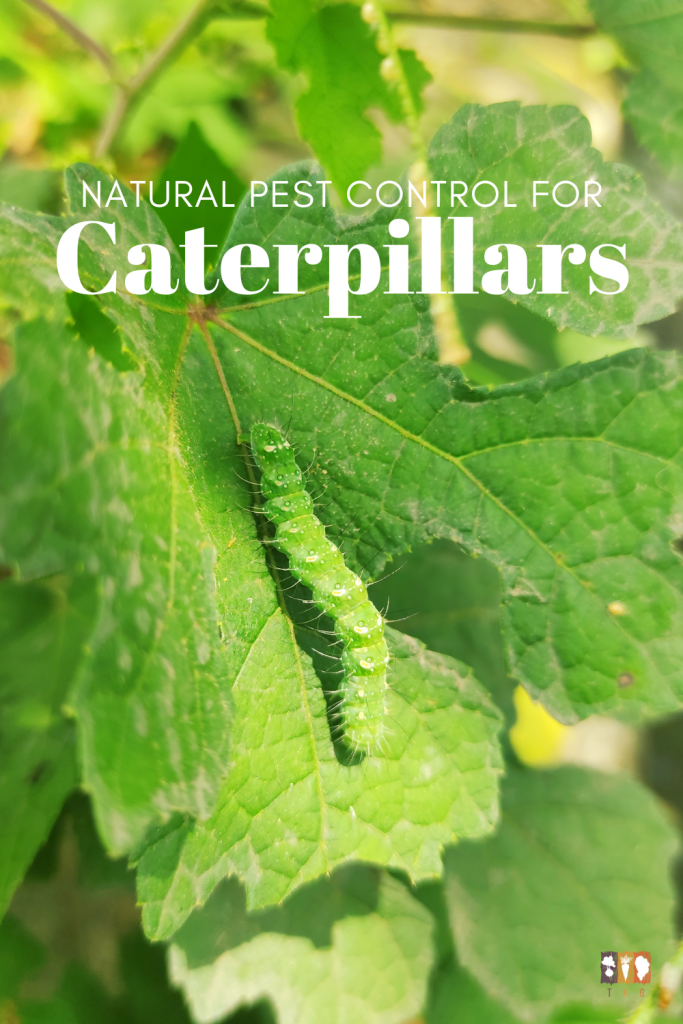
How to Detect Caterpillars on Your Plants
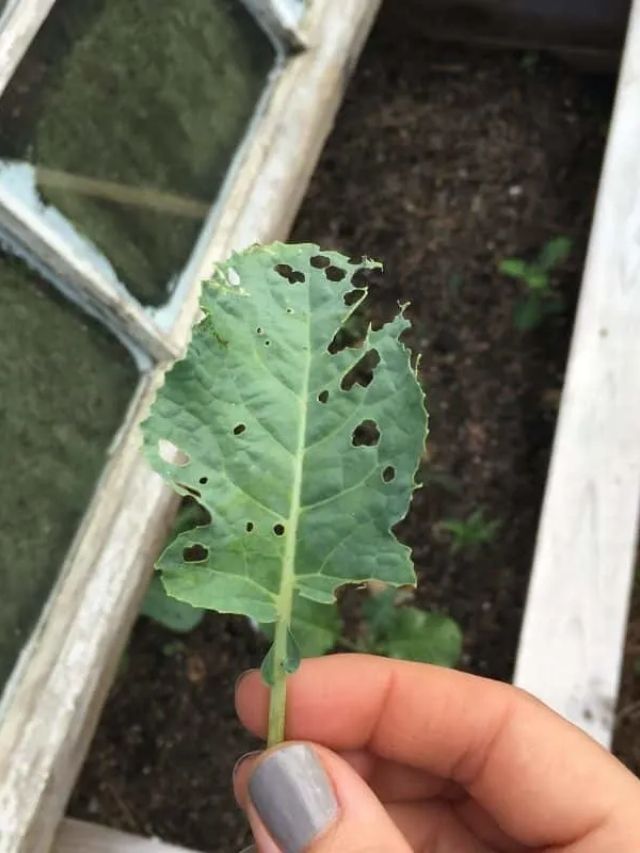
How do you know if the damage you're seeing on your garden plants is signs of a caterpillar infestation or something else? Here are some signs that it's caterpillars that are munching on your flower or vegetable garden.
- Leaf damage. Caterpillars chew irregular holes on plant leaves that can vary in size.
- Eggs. Caterpillars often leave their eggs behind on susceptible plants. Look for small white, yellow, or green clumps of eggs, especially on the underside of leaves.
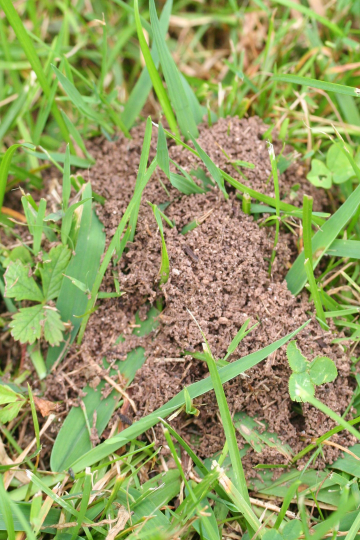
- Frass. Frass, or caterpillar poop, looks like tiny black clumps. Caterpillars regularly leave frass behind whenever they are feeding.
- Time of year. Caterpillars are usually most active in the late summer and early autumn months.
If you notice one or more of these signs on your susceptible plants, it's a good clue that you have caterpillars.
This post may contain affiliate links, which simply means I may earn a commission off of links at no extra cost to you. Thank you for supporting my site!
Common Types of Caterpillars in the Garden
- Cabbage loopers. These small, green insects make a looping motion as they move, and they are very destructive. They're one of the most common garden caterpillars in the United States. They especially love brassica plants (cabbage, cauliflower, broccoli, brussel sprouts, etc.). Check out my full post on How to Get Rid of Cabbage Worms for this specific pest.
- Tomato hornworms. Also called the five-spotted hawk moth, in its caterpillar form, these large caterpillars can completely dismantle plants - especially tomato plants.
- Eastern tent caterpillars. These black and orange/yellow caterpillars are found in the eastern part of the U.S. and build "tents" in tree branches. While they do eat leaves, they usually don't cause excessive damage like other caterpillars.
- Diamondback moth. Diamondback moth caterpillars are small, pale green caterpillars. In their adult moth form, they are light brown with a diamond marking. These pests are incredibly destructive to gardens.
- Box tree caterpillar. The box caterpillar is lime green with distinctive black stripes.
- White butterfly caterpillars. These small insect pests can do a lot of damage. You may notice them leaving clusters of yellow eggs on the underside of plant leaves. They especially love brassica crops.
10 Ways to Get Rid of Caterpillars in the Garden
So how can you get rid of these serious plant pests without harming your garden or spraying chemicals on your edible plants? Thankfully, there are lots of natural, effective methods for removing them. When used correctly, none of these methods should cause harm to your plants or add chemicals to your food.
- Remove them by hand
- Remove nests
- Neem oil
- Bacillus thuringiensis
- Plant strong-smelling herbs
- Diatomaceous earth
- DIY sprays
- Attract birds
- Water early in the day
- Get chickens
1. Remove them by hand
For smaller gardens, hand-picking caterpillars is often the best, natural way to remove hungry caterpillars during the growing season. If possible, relocate them to another area so they can grow into helpful butterflies. If you need to take more extreme measures, you can also drop them into a bucket of soapy water.
2. Remove nests
Another great way to prevent caterpillars from getting to your beloved plants in the first place is to remove their nests (which often look like little tents) when you see them. The best time to do this is in the early spring.
3. Neem oil
When it comes to natural insecticides, neem oil is near the top of the list. It's made of the seeds of the neem tree and is generally considered safe when used correctly. It's most often sold as a neem oil spray. See my full post on How to Use Neem Oil in the Garden.
4. Bacillus thuringiensis
Bacillus thuringiensis (Bt) is a bacteria-based solution that's toxic to caterpillars but harmless for humans. It makes destructive caterpillars feel full upon eating, and they won't eat any more. This is my go-to for caterpillar problems, and it's very reliable.
5. Plant strong-smelling herbs
Companion planting is sometimes the best way to get rid of caterpillars naturally! Herbs such as lavender, sage, and mint or ornamental plants like marigolds can be beautiful additions to your garden that also keep caterpillars away. (If you choose mint, plant it in a container as it spreads rapidly.)
6. Diatomaceous earth
Placing physical barriers - such as diatomaceous earth or cardboard - around the base of plants can make it difficult for caterpillars to access them. Food-grade diatomaceous earth is a natural powder that can cut the exoskeletons of soft caterpillars. Be sure to apply when bees are not active, as the powder could affect them if accidentally placed in flowers.
7. DIY sprays
There are a number of DIY sprays and solutions you can make as natural methods for deterring caterpillars. Here are a few options.
- Garlic solution. Combine a few crushed garlic cloves, a finely chopped onion, and a tablespoon of mild dish soap in a quart of water. Let it steep for 24 hours, then strain it into a spray bottle and spray on your plants.
- Vinegar spray. For an easy solution, combine two tablespoons of vinegar with a gallon of water and spray it on your plants.
- Molasses spray. Molasses spray can be another good deterrent. Combine one tablespoon of molasses with one teaspoon of dish soap in a quart of warm or hot water. Mix and spray on your plant leaves.
8. Attract birds
If you don't want to go the application route, attracting natural predators is another good option. Chickadees, bluebirds, robins, yellow warblers, sparrows, and woodpeckers are all predators for caterpillars. If you make your garden hospitable to these birds, they may just keep the caterpillars away for you.
9. Water early in the day
Caterpillars prefer moist leaves. Watering early in the day gives the water enough time to evaporate off the leaves so they don't stay excessively wet, attracting more crawling insects. Caterpillars are also active in the early morning, so checking your plants early in the day might give you the best chance of spotting and removing them by hand.
10. Get chickens
If you've been looking for an excuse to get backyard chickens, this might be it! Chickens can be an excellent form of pest control. They love to eat caterpillars and other harmful insects. Be careful of allowing them in your garden though, as they can destroy plants with their pecking and scratching. (A good garden fence can keep them close enough to still help out without harming your crops.)
Want to learn more about Natural Pest Control? Check out my e-book Natural Pest Control for the Home Garden where I give you helps and tools for preventing and getting rid of all kinds of garden pests. This is a useful tool for keeping your vegetable garden healthy without having to use chemical poisons to keep bugs away.